


Preimplantation Genetic Testing (PGT)
What is Preimplantation Genetic Testing?
PGT is a diagnostic procedure performed within the framework of IVF treatment. Its goal is to determine whether a fertilized egg (embryo) is affected by a specific monogenic disorder or chromosomal abnormality that could be inherited from the parents.
This method is not offered to all couples, nor is it necessarily linked to infertility. In fact, when it’s necessary, PGT can reduce the probability of miscarriage or the birth of a child with a serious genetic condition.
In Greece PGT is regulated by law and requires special authorization from the Hellenic Authority for Medically Assisted Reproduction.
Genetic disorders and types of PGT
Depending on the genetic condition, there are different types of PGT, listed below:
The PGT process
PGT is carried out during an IVF cycle. The woman’s eggs are fertilized with the partner’s sperm, and the resulting embryos are tested BEFORE they are transferred to the mother’s uterus.
The process in the Embryology Laboratory
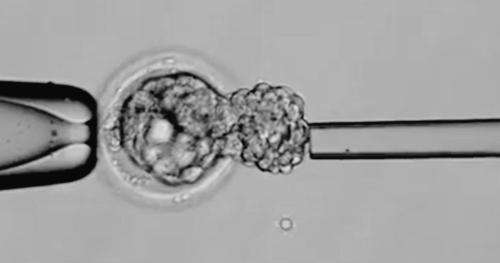
The first step is the embryo biopsy. This is performed by specialized embryologists in the laboratory. Specifically:
Embryos deemed "normal" (based on the specific testing) are considered suitable and are selected for embryo transfer in a subsequent cycle.
Expert’s Comment
Ms. Theoni Pastroma, Lab Manager and Clinical Embryologist, notes:
"PGT is a procedure that has brought healthy children to families with known hereditary diseases—and that is a miracle in itself! Furthermore, it has helped families facing recurrent miscarriages or multiple failed IVF attempts.
When used correctly, with proper counseling from the experts it is a truly invaluable tool. Couples should maintain realistic expectations regarding what PGT can offer, as well as the challenges of the process."


